19.03.2026
In one of our previous articles, we outlined the general principles of the circular economy in retail. This time, we focus on circular shopfitting – how these principles translate into specific structural, material, and technological solutions in the production of retail furniture.
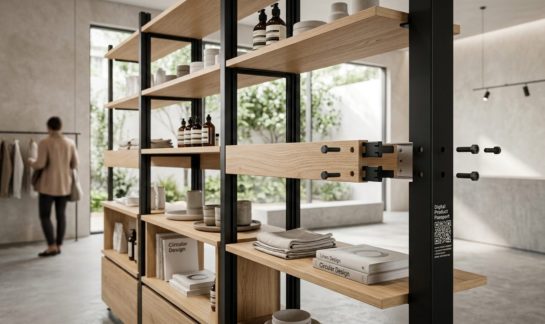
The concept of Design for Disassembly – DfD is a technical approach without which circular shopfitting would remain merely a marketing slogan. It fundamentally changes how we think about durability in retail environments. Instead of furniture that eventually becomes waste (e.g., due to rebranding or changes in store design concepts), we design systems that can be broken down into their basic components within minutes.
This approach manifests in concrete structural and material solutions:
Applying DfD in retail furniture production not only supports sustainability but also delivers tangible cost savings. Furniture designed for easy disassembly is cheaper to repair (module replacement instead of full replacement) and more efficient in logistics (flat-pack transport).
The circular evolution is leading toward subscription-based models – not only in fashion but also in retail environments. The Furniture-as-a-Service (FaaS) model enables brands to pay for the use of retail spaces, while the manufacturer – such as Ergo Store – takes full responsibility for the furniture lifecycle: from installation and periodic refresh to redeployment in another location within the network.
Circularity in 2026 is not just about “eco-materials”; it is also about optimization through advanced technologies. Predictive systems use algorithms to analyze wear and tear on store fixtures, enabling targeted investment in more durable components where they are most heavily used.
At the same time, digital product passports allow each furniture element to carry a “digital footprint,” facilitating service management and future material recovery.
Circular shopfitting represents the next step in creating thoughtfully designed retail spaces. Instead of the “produce–use–dispose” model, it focuses on solutions that enable reuse, repair, and repurposing of furniture elements. In retail environments, this is not only about compliance or sustainability – it also delivers real business value: greater flexibility, extended product lifespan, and the ability to recover part of the initial investment.
With nearly 20 years of experience in retail furniture production, Ergo Store closely monitors market trends and transformations to deliver solutions designed for the future.

12.03.2026
One factor increasingly determining success in retail is the recognition of diverse sensory needs and the deliberate design of environments that support neurodiversity.
05.03.2026
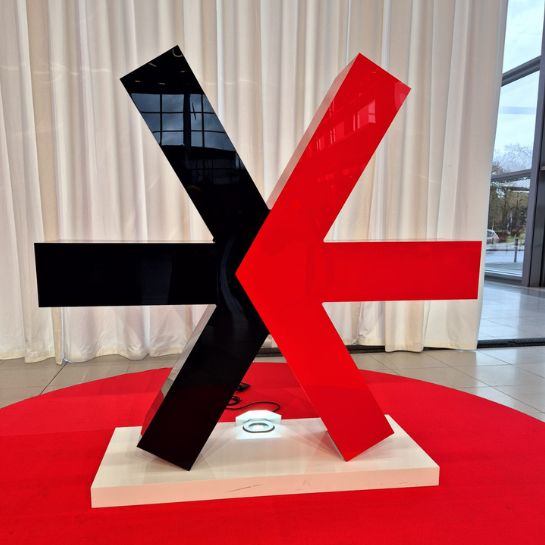
This year’s edition of EuroShop in Düsseldorf reaffirmed the importance of this event for the retail industry. For years, we have participated in the industry’s most significant events, which serve as a barometer of change in global retail.