11.12.2025
The transformation of retail is an ongoing process. Brick-and-mortar stores are no longer merely “product warehouses”; today, they are becoming experience hubs. To meet the expectations of a generation raised in a digital environment, retailers are turning to new, more flexible formats where proximity, experience, and technological integration matter most. Which solutions will dominate in 2026?
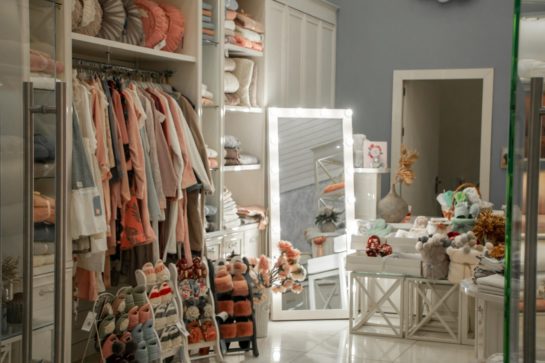
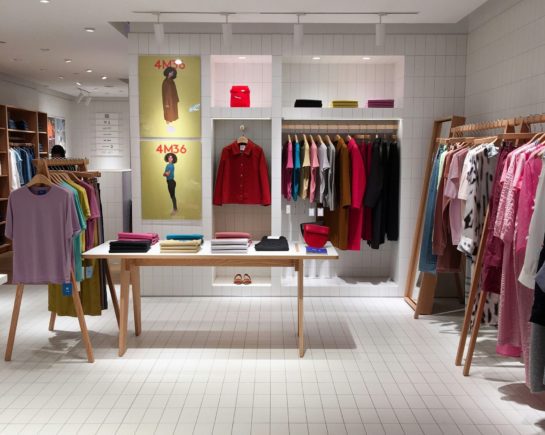
In response to the need for deeper customer engagement, we are currently seeing a shift toward smaller, boutique-style local stores, showrooms, and click-and-collect points. These formats not only seamlessly connect online sales with in-store pickup, but also allow brands to tailor their offer and design to the specific needs of local customers. A smaller scale makes it easier to create a unique atmosphere that builds a stronger emotional connection.
Agata Meble – a Polish manufacturer traditionally associated with large furniture showrooms – opened its first compact-format store in June 2025 at Galeria Niwa in Oświęcim. This move responds to the expectations of customers who do not need a fully equipped showroom but are looking for quick and simple purchases, such as home accessories. Visitors to this compact store can also take advantage of on-site kitchen and custom wardrobe design services.
Hybrid spaces – such as cafés integrated with retail stores or the “shop-in-shop” model – are gaining increasing importance. They offer an attractive way to extend the time customers spend in a space and to boost engagement.
In 2025, Italian fashion brand Sunnei opened a new hybrid space in Milan at its headquarters. The venue functions as a boutique/showroom with a modular display while also serving as a café and social space—during the day, it is a shopping destination with a café area; in the evening, it can transform into an event or gallery space.
Temporary formats such as pop-up stores are also worth noting. Used to launch limited collections or enter new markets, pop-ups build engagement through a sense of novelty and exclusivity. Creating such retail points requires intelligent modular systems. Their lightweight construction and standardized connectors allow spaces to be transformed quickly and efficiently.
Read more about the specifics of pop-up stores in our article: Pop-Up Stores: modern solutions for temporary retail spaces.
In the increasingly popular new store formats, furniture is no longer a static backdrop – it becomes an interactive touchpoint with the brand. This shift is made possible by:
At Ergo Store, we have been successfully creating commercial spaces for over 16 years. Our experience in comprehensive service – from concept and prototyping to on-site installation and final production – enables us to deliver solutions for leading brands such as Reserved, Sinsay, Levi’s, Dockers, More & More, and many others.
Our portfolio, covering various retail formats such as monobrand stores, shop-in-shops, showrooms, and pop-up stores, also allows us to develop other solutions – hybrid and modular ones – tailored to the needs of today’s customers and current retail trends.
05.03.2026
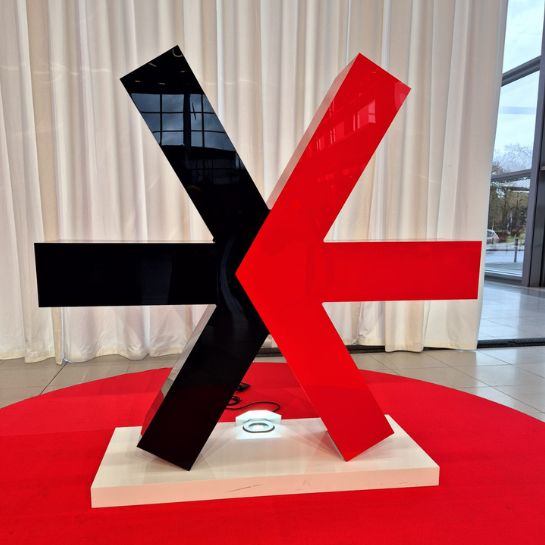
This year’s edition of EuroShop in Düsseldorf reaffirmed the importance of this event for the retail industry. For years, we have participated in the industry’s most significant events, which serve as a barometer of change in global retail.
26.02.2026
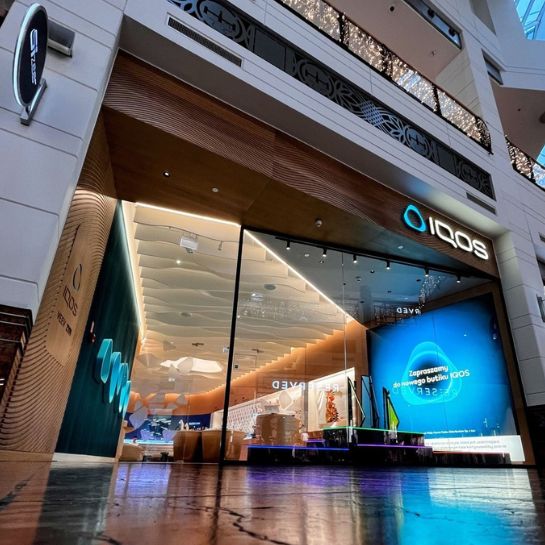
Over the years, we have observed the dynamic evolution of retail and the emergence of numerous new store concepts. We are particularly attentive to cohesive, technologically advanced solutions such as those implemented by Philip Morris International (PMI) for the IQOS brand.