28.05.2026

Designing and production of specialty stores: experience, data, and flexibility

At Ergo Store, we have been supporting global brands in creating unique retail environments for nearly 20 years. Our experience allows us to observe that the traditional, static approach to commercial interior design is rapidly becoming obsolete. This shift is particularly evident in the specialty retail sector, where winning customer loyalty increasingly requires a combination of advanced spatial psychology, modern technologies, and rigorous sustainability standards.

In this article, we explore how specialty retail stores can be designed and manufactured to meet the challenges of today’s retail landscape.

What is a specialty store and how has its role evolved?

A specialty store is defined as a retail outlet focused on selling a specific product category or a narrow range of merchandise. Historically, the competitive advantage of this format was built on deep specialization, extensive product knowledge, and highly personalized expert advice. These factors enabled specialty retailers to cultivate strong customer loyalty, with consumers willing to pay premium prices in exchange for professional guidance and the assurance of finding the right product – whether veterinary pet food, a specialist battery, or another niche item.

Over the past decades, however, the market landscape has undergone significant changes:

1. Pressure from “category killers”

Large-format retailers specializing in broad product categories such as sports, DIY, or consumer electronics have leveraged economies of scale and aggressive pricing strategies to challenge smaller independent specialty stores.

2. The shift from counter service to self-service

Growing competition from discount retailers, convenience chains, and e-commerce has driven the transition from traditional counter-service models toward open self-service environments.

3. The redefinition of the physical store as a three-dimensional showroom

Today’s specialty store is evolving beyond a purely transactional space into an environment designed to build deeper brand relationships and educate consumers.

Leading specialty retail segments and their contemporary characteristics

Several sectors currently dominate the specialty retail market, each presenting unique challenges for shopfitting manufacturers and retail designers.

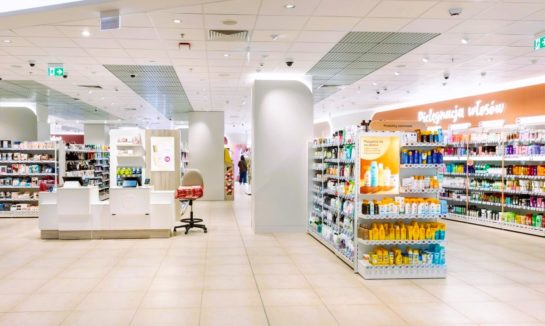
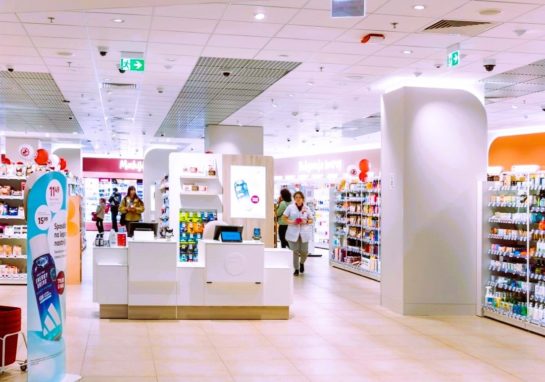
  1. Beauty and cosmetics retail (e.g., Rossmann, Hebe). This sector is moving away from a clinical, pharmacy-like appearance toward warm, inviting, and sensory-driven environments. Modern concepts feature pastel color palettes, natural wood finishes, and rounded entrance portals. Retail spaces are increasingly divided into clearly defined zones, such as beauty, wellness, and grab-and-go areas. Interactive technologies, including smart mirrors and eco-friendly refill stations, are becoming standard elements of the customer experience.
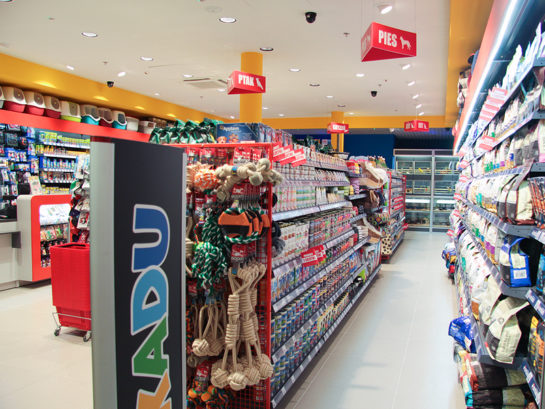
  2. Pet retail (e.g., Kakadu, Maxi Zoo) The pet retail industry is being transformed by the growing trend of pet humanization. Contemporary store concepts place animal welfare at the forefront. Areas housing live animals are intentionally dimmed to reduce stress while creating a distinctive visual atmosphere. Store fixtures often embrace a raw, industrial aesthetic with lower shelving heights that improve visibility, simplify navigation, and enhance customer comfort.
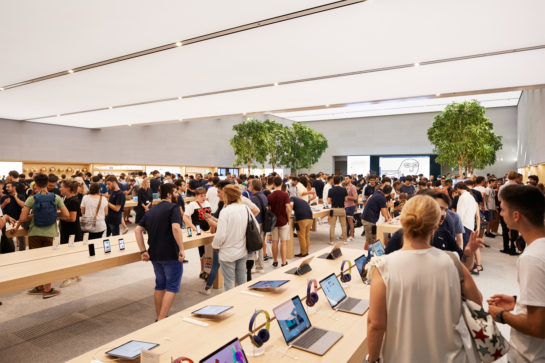
  3. Consumer electronics (e.g., Apple, traditional electronics retailers) One of the primary challenges in this sector is the integration of large products with hundreds of smaller accessories such as cables and adapters. Without effective display systems, these items can quickly create visual clutter in self-service environments. Modern electronics stores are moving away from harsh, highly commercial interiors in favor of wider aisles, accent lighting, and biophilic design elements. Apple Stores, for example, have adopted the Town Square concept, replacing traditional checkout counters with oak display tables, minimalist interiors, and community-focused spaces.

Trends in shopfitting and specialty retail design

Current trends in specialty retail manufacturing closely reflect broader developments across the commercial interiors sector. Key trends include:

  1. Artificial intelligence and big data. Advanced analytics are being used to study customer journeys, optimize store layouts and planograms, and support predictive maintenance and production processes for retail fixtures.
  2. Intelligent modular systems and flexible spaces. Innovative connection systems, including magnetic and click-and-lock solutions, combined with mobile shelving units, allow retailers to quickly reconfigure interiors, support seasonal campaigns, and facilitate the growing popularity of pop-up store formats.
  3. Multisensory fixtures and the Internet of Things (IoT). Retail furniture is increasingly integrated with haptic technologies, directional audio systems, and scent marketing solutions. These features engage multiple senses and help create stronger emotional connections between consumers and brands. 
  4. Sustainable shopfitting. Circular economy principles are becoming central to retail design. This includes the use of FSC-certified materials, environmentally responsible bonding technologies, recycled and upcycled components, and reduced carbon emissions through local manufacturing.

Today, manufacturing retail fixtures and store equipment for specialty retailers involves far more than precision craftsmanship. Modern stores must combine compelling design, functionality, and technologies that enable data-driven decision-making.

At Ergo Store, whether we are creating retail environments for fashion brands or developing specialty retail concepts, our priority remains the same: designing and manufacturing fixtures that not only showcase products effectively but also enhance the shopping experience and support sustainable retail practices.

CONTACT US


    Read more

    testNowoczesne wyspy handlowe - design, produkcja i regulacje - Ergo Store
    See more

    21.05.2026

    Modern retail kiosks – design, manufacturing, and regulations

    The retail kiosk format has undergone a major transformation. Originally treated by shopping mall operators as a way to fill unused circulation areas, kiosks have evolved into autonomous and highly specialized retail concepts.

    testEwolucja konceptu sklepów stacjonarnych w branży odzieżowej  - Ergo Store
    See more

    14.05.2026

    Evolution of physical retail concepts in the fashion industry

    The evolution of retail spaces in the fashion industry over the last four decades reflects the transformations that have shaped the world. Fashion stores have ceased to function merely as physical points of product distribution, becoming instead multidimensional platforms for brand communication.

    ERGO STORE SP. Z O.O. SP.K.
    ul. Płk. Ryszarda Kuklińskiego 17A
    30-720 Kraków