12.03.2026
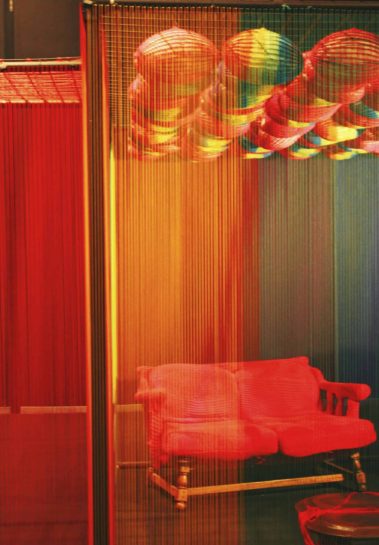
The production of retail furniture and the design of commercial spaces are approaching a shift that goes beyond the traditional understanding of aesthetics and ergonomics. One factor increasingly determining success in retail is the recognition of diverse sensory needs and the deliberate design of environments that support neurodiversity.
Data suggests that neurodivergent individuals – such as people with autism, ADHD, or dyslexia – represent approximately 15% to 20% of the global population. These individuals often process external stimuli differently, which may manifest as hypersensitivity or hyposensitivity. For a customer with autism, the flicker of fluorescent lighting or the hum of ventilation can be physically painful, while for someone with ADHD, a chaotic shelving layout and an excess of visual information may lead to decision paralysis.
For this group – but also for the mainstream consumer increasingly overstimulated by “digital fatigue” – retail furniture is no longer merely a display tool; it becomes part of a sensory support system.
Traditional retail environments often relied on maximizing stimulation: bright lighting and loud music were standard tools to attract attention. Contemporary regenerative design, grounded in the principles of neuroaesthetics, aims for the opposite effect – creating environments that support nervous system regulation and reduce stress.
Modern retail spaces are evolving toward so-called resimercial design, a blend of technology with elements reminiscent of home interiors. Instead of sharp angles, designers increasingly use organic forms that are subconsciously perceived as safer and more comfortable. Examples include solutions by companies such as Viccarbe (the Noha chair) and Kettal (the Insula sofa), which introduce domestic warmth and rounded lines into public spaces.
Effective design for neurodiversity requires solutions that directly address specific sensory challenges.
For people on the autism spectrum, a clear cognitive map of the store is essential. Modular systems allow designers to create logical, repeatable layouts that reduce anxiety and simplify navigation. Standardized shelving systems with clear but non-intrusive signage enable smooth movement through the store without requiring constant analytical effort from the customer.
Noise is one of the strongest exclusion factors. A practical solution is acoustic panels integrated directly into furniture-or example as the back panels of shelving units or fitting-room enclosures. The innovative brand Mogu produces panels made from mycelium that not only absorb sound effectively but also have a soft, velvety texture that is pleasant to touch. Meanwhile, the Swedish company BAUX offers wood-wool panels that create what designers describe as an “organic quiet,” particularly beneficial for people with ADHD.
Bright, highly saturated colors can provoke anxiety, which is why current design trends favor earth tones such as sage green, beige, and terracotta. Another important factor is reducing “visual noise” through the use of matte laminates, which prevent irritating light reflections.
Lighting plays a key role in regulating circadian rhythms and mood. Many people with autism experience discomfort with low-quality LED lighting, which may produce imperceptible yet noticeable flicker. Modern retail furniture increasingly incorporates integrated lighting with adjustable color temperature and intensity.
A global leader in sensory inclusivity initiatives is The LEGO Group. Its stores in the United States and Canada include dedicated sensory zones, and the brand also offers customers special sensory kits containing items such as noise-reducing headphones and glare-reduction glasses.
Retail chains such as Walmart and IKEA have introduced structured “quiet hours,” during which the sensory configuration of the store changes: music is turned off, lighting is dimmed, and advertising screens display only static images. The IKEA store in Kraków focuses on creating a “no-rush” environment, made possible by wide walkways and thoughtfully designed relaxation zones furnished with seating that offers strong acoustic comfort.
At Ergo Store, we understand that sensory inclusivity is not just a trend but a genuine market need. For nearly 20 years, we have helped brands implement solutions that build stronger emotional connections with their customers. Neuro-inclusive design is an investment in commercial spaces where every visitor-regardless of sensory profile-feels invited to interact with the brand.
Contact us to create a space that is welcoming for every user.
26.03.2026
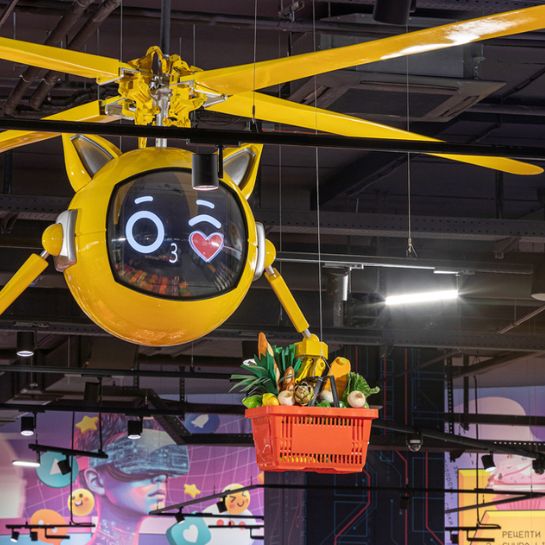
This article presents examples of retail concepts recognized in international competitions such as the EuroShop Retail Design Award, iF Design Award, and Architizer A+Awards, illustrating the direction in which the industry is heading.
19.03.2026
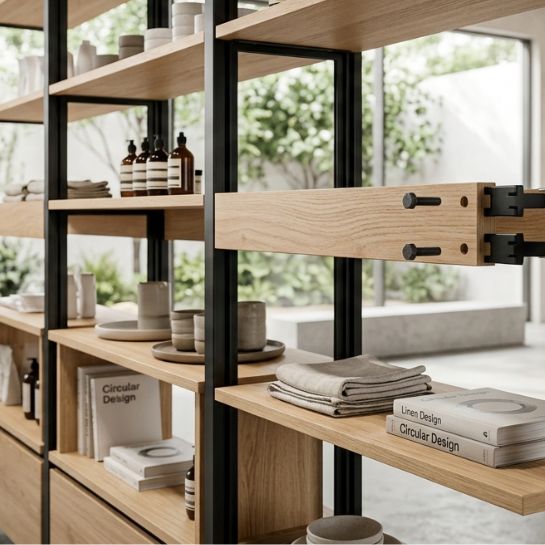
In one of our previous articles, we outlined the general principles of the circular economy in retail. This time, we focus on circular shopfitting - how these principles translate into specific structural, material, and technological solutions in the production of retail furniture.