10.09.2026
For most retail chains, the fourth quarter makes or breaks the annual financial result. While the lion’s share of budgets goes toward marketing and inventory, many overlook a subtle parameter that directly drives profitability: optimizing the retail space itself. Interior layout, furniture ergonomics, and floor plan throughput ultimately dictate whether a customer completes a purchase or walks away due to overcrowding and discomfort.
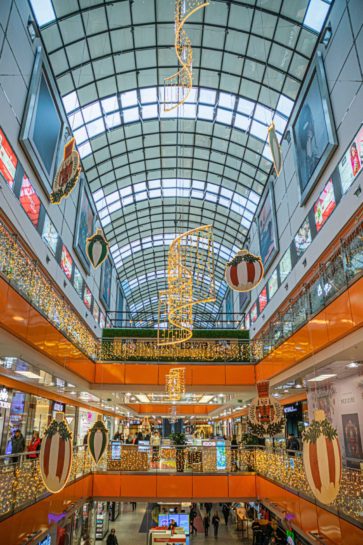
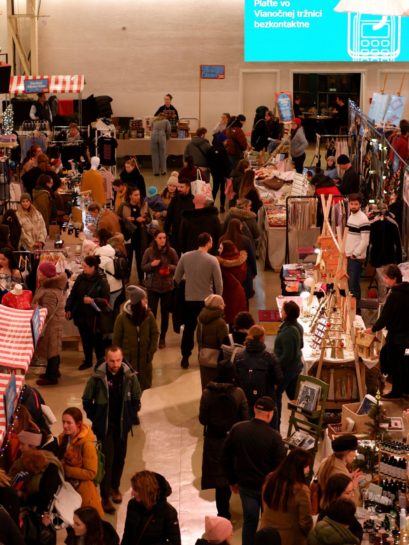
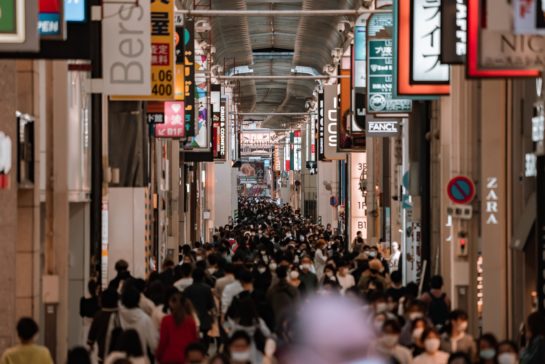
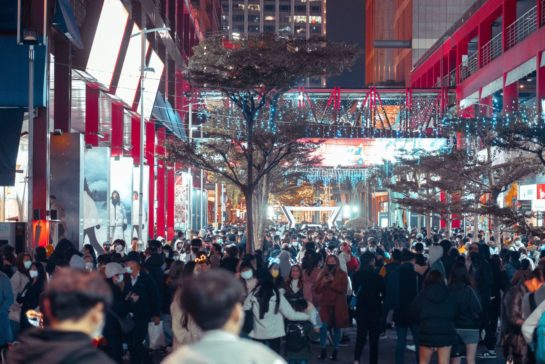
During Q4, nearly every operational parameter of a physical store shifts. Foot traffic surges several-fold compared to the summer months. Key aisles and thoroughfares that ensured smooth customer flow in June or July can easily become bottlenecked in November and December.
Q4 shoppers operate under tight time constraints. They are looking for ready-made gift ideas, spend less time meticulously comparing products, and are far more susceptible to impulse buying.
While a store’s floor area remains fixed during the holiday season, it must generate significantly higher revenue. This requires displaying more merchandise without creating visual chaos for the shopper.
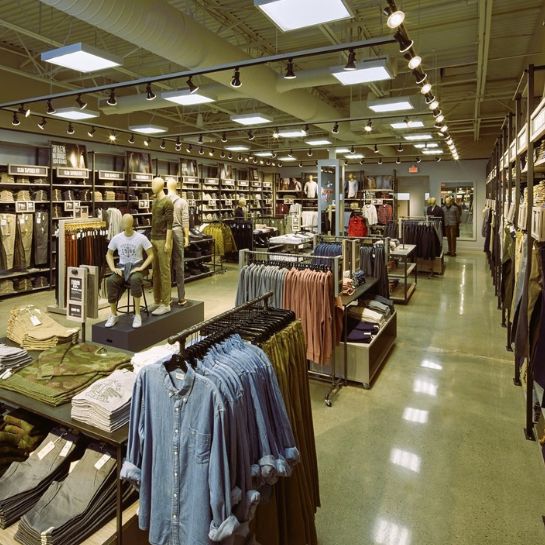
At peak season, eliminating dead zones and bottlenecks is critical. Gondola and promotional island layouts should encourage a smooth, one-way flow around key display areas while keeping access to fitting rooms and checkout counters clear.
Fixed, rigid store joinery is the primary obstacle to rapid campaign adaptation. Implementing flexible modular systems allows for quick spatial reconfigurations with minimal effort.
During the pre-holiday rush, store staff simply do not have time for constant stock replenishment from the backroom. The solution lies in dedicated display fixtures with integrated storage – such as deep, high-capacity drawers beneath gondolas or discreet compartments within shelving units. This keeps maximum stock directly on the sales floor while maintaining a clean, easily navigable product presentation.
Store furniture experiences heavy wear and tear in Q4. Constant impacts from shopping carts, continuous product restocking, and heavy fitting room use demand high-grade laminates and reinforced edging. Fixture failure or visible damage in December leads directly to lost revenue and brand degradation.
One of the most common mistakes is deciding to renovate or reconfigure stores just weeks before the peak season hits.
A thorough process – spanning spatial audits, technical design, prototyping, manufacturing, and logistics – takes time. Last-minute orders carry a high risk of production delays and scarce installation teams.
Retailers cannot afford to shut down stores and forgo daily revenue right before the seasonal peak. For this reason, overnight fixture installation is often the best solution.
Q4 success is neither a coincidence nor purely the result of aggressive marketing campaigns. It stems from precise spatial planning designed to maximize efficiency, ergonomics, and durability when foot traffic peaks. Purpose-built retail fixture – flexible, high-capacity, and tailored to your specific market segment – directly improve service flow and drive the bottom line.
Looking for an experienced retail store fixture manufacturer? Contact the Ergo Store team. We will audit your retail space and produce custom fixtures designed to unlock your retail chain’s full sales potential in Q4.
Photo: Pexels.com
24.09.2026
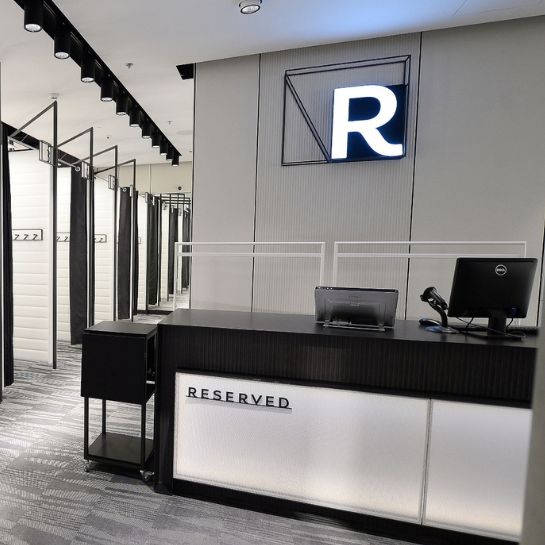
The checkout zone in a brick-and-mortar store is more than just a payment area - it is a critical brand touchpoint and an effective tool for margin generation. Well-designed retail fixtures turn passive queue waiting into an active decision-making process, directly increasing average basket value.