24.09.2026
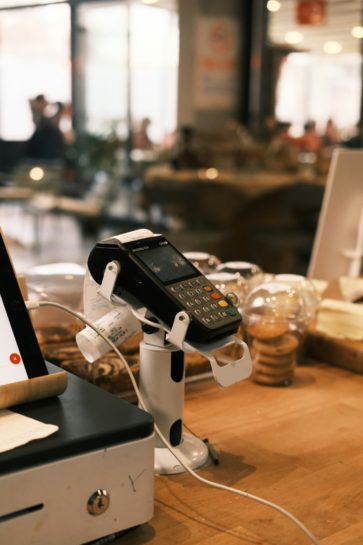
The checkout zone in a brick-and-mortar store is more than just a payment area – it is a critical brand touchpoint and an effective tool for margin generation. Well-designed retail fixtures turn passive queue waiting into an active decision-making process, directly increasing average basket value.
Research by TNS OBOP indicates that nearly 70% of shoppers make impulse decisions in the store’s exit zone. Consequently, thoughtful fixture design directly impacts sales performance. Merchandising within the “strike zone” (or golden reach zone) – between 90 cm selection is equally vital: cart-impact-resistant MDF boards and HPL laminates extend fixture lifespan, while modular components made of Dibond, polycarbonate, or clear acrylic ensure lightweight structures and optimal visibility for small items.
When designing the checkout area, avoiding cognitive overload is critical. Over-saturating shelves with inventory leads to visual clutter and customer decision paralysis.
Pairing the right merchandise with the appropriate fixture type is key to driving sales. Low-profile gondolas are ideal for guiding store traffic and providing flat frontal displays, whereas small countertop displays near the payment terminal encourage last-minute impulse purchases. For irregularly shaped items, rotating racks and wire or cardboard PDQ dump bins perform best. Meanwhile, flexible, cascading polypropylene clip strips efficiently utilize otherwise dead space on the sides of shelving units.
The fourth quarter presents a unique test for the checkout zone, characterized by multiplied foot traffic and higher consumer buying intent.
During this period, store fixtures must fulfill two objectives: maintain smooth customer traffic flow and boost basket value. With shoppers more open to impulse purchases, placing products directly at the checkout delivers measurable results. Retail market analysis and consumer behavior studies (including those from Shop! / POPAI) confirm that strategic merchandising in the checkout area significantly increases sales within specific product categories.
Operational efficiency and profitability during peak seasons rely heavily on traffic flow management. Replacing traditional parallel checkout lines with integrated serpentine queue systems (Single-Queue setups) streamlines movement while displaying products. In this layout, all customers wait in a single, unified line and are directed to the first available checkout station. This configuration requires maintaining proper aisle width and fixture dimensions – for example, double-sided modular gondolas along the pathway should not exceed a depth of 60 cm.
Rounding out the checkout zone design in Q4 is a gift-wrapping service, which serves as a major differentiator for physical retail over e-commerce. Attempting to offer gift wrapping directly at the cash register creates bottlenecks and customer dissatisfaction. Establishing an autonomous gift-wrapping island positioned away from the registers improves the overall customer experience. This operational setup aligns with Lean Retail principles, and its tangible benefits are backed by BOSTONtec research – ergonomically designed workstations eliminate up to 27% of unnecessary movements, cutting single-item packing times by nearly a fifth.
In summary, a thoughtfully engineered checkout area drives sales growth in brick-and-mortar stores, especially during peak retail periods such as the holiday season and Q4 overall. At Ergo Store, we have supplied dedicated fixture solutions built for the most demanding retail challenges for nearly 20 years. Investing in optimized checkout furniture builds a sustainable competitive edge and increases profitability for physical retail outlets.
17.09.2026
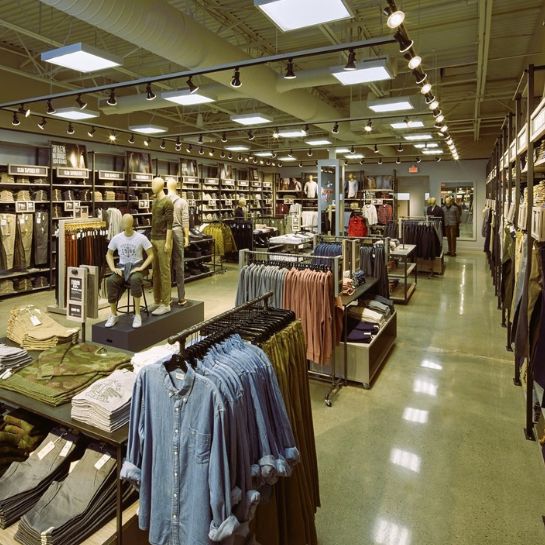
Hot spots. Where are these high-potential sales areas located, and how can retailers avoid common design pitfalls?
10.09.2026
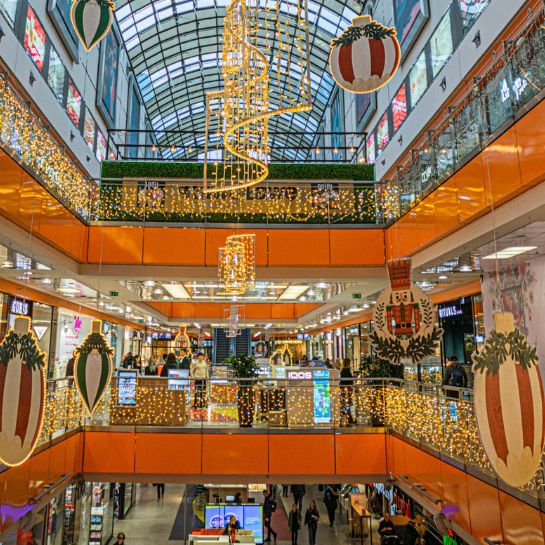
For most retail chains, the fourth quarter makes or breaks the annual financial result. While the lion’s share of budgets goes toward marketing and inventory, many overlook a subtle parameter that directly drives profitability: optimizing the retail space itself.